

Recyclable vs Biodegradable Packaging
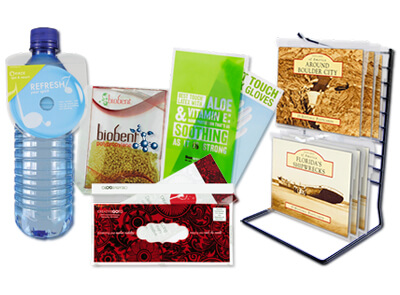
Recyclable vs Biodegradable Packaging – What’s the Real Difference
Confused about recyclable vs biodegradable packaging? Discover the real difference, eco-friendly packaging examples, and how EnvyPak helps your business make the sustainable switch.
Recyclable vs biodegradable packaging – what’s the real difference is one of the most common questions brands ask when making the switch to earth-friendly packaging. While both options support a greener future, they work in entirely different ways and serve different sustainability goals. Choosing the wrong type can mislead customers and undermine your environmental commitments.
Understanding the distinction between recyclable vs biodegradable packaging – what’s the real difference – is the first step toward making a truly informed decision for your business. At EnvyPak, we help you navigate these choices with confidence.
Understanding the Core Differences in Eco-Friendly Packaging
Eco-friendly packaging is a broad term that includes both recyclable and biodegrad
able options, but each has unique properties. Recyclable packaging is designed to
be processed and reused in manufacturing new products, while biodegradable packaging breaks down naturally over time. The materials, end-of-life processes, and environmental impacts differ significantly. Knowing which category your packaging falls under helps you align with sustainability goals and meet growing consumer demand for responsible, sustainable product packaging solutions.
What Is Recyclable Packaging? Definitions and Recyclable Packaging
Examples
Recyclable packaging refers to materials that can be collected, processed, and trans formed into new products after use. Common recyclable packaging examples include cardboard boxes, aluminum cans, glass bottles, and certain plastics like PET and HDPE. These materials enter a circular supply chain, reducing the need for virgin resources. For businesses seeking recycled materials for packaging, this approach supports a closed-loop economy and significantly cuts down on landfill waste when the right infrastructure is in place.
What Is Biodegradable Packaging? Biodegradable Packaging Meaning Explained
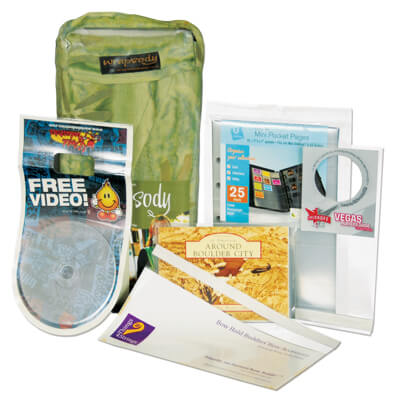 Biodegradable packaging refers to materials that decompose naturally through biological processes, breaking down into water, carbon dioxide, and organic matter. Biodegradable packages include items made from plant starches, compostable films, and natural fibers. Unlike recyclable materials, biodegradable options do not require industrial recycling infrastructure. However, the term “biodegradable” can be misleading without proper context around conditions like temperature, humidity, and time required for full decomposition.
Recyclable Packaging for Food vs Biodegradable Packaging Solutions
When it comes to food-grade applications, both recyclable packaging for food and
biodegradable packaging solutions offer distinct advantages. Recyclable options like
aluminum trays and cardboard are widely used for dry goods and frozen items, while biodegradable materials are gaining traction for fresh produce and compostable meal kits. The best choice depends on the product type, storage conditions, and the disposal infrastructure available to your end customer. EnvyPak offers options suited to both categories.
Biodegradable Plastic Packaging vs Traditional Recyclable Packaging for Food
Biodegradable plastic packaging is engineered to break down faster than conventional plastic, often using PLA (polylactic acid) or PBAT. However, these materials require industrial composting facilities to degrade properly and are generally not recyclable through standard streams. In contrast, recyclable packaging for food, like PET containers and cardboard, integrates better with existing municipal systems. Brands must evaluate both the material’s end-of-life pathway and the logistics of their customer’s local waste management systems.
Biodegradable Packaging Bags and Eco-Friendly Packaging Bags Compared
Biodegradable packaging bags are typically made from compostable materials like cornstarch or PBAT blends, making them suitable for organic waste disposal. Eco-friendly packaging bags in the recyclable category include paper bags, kraft mailers, and poly mailers made from recycled content. For e-commerce brands, both offer strong branding and sustainability credentials. The key differentiator lies in end-of life: biodegradable bags compost, while recyclable bags re-enter the material supply chain through collection programs.
Recycled Materials for Packaging: The Role of Recycled Content
Using recycled materials for packaging is one of the most impactful ways to reduce
your brand’s environmental footprint. Recycled packaging incorporates post-consumer waste or post-industrial waste into new packaging structures, diverting material from landfills. This approach supports demand for recyclable materials and strengthens circular economy systems. Many sustainable packaging companies now offer high-quality recycled materials packaging that meets food-contact safety standards, making it easier than ever to choose packaging with verified recycled content without compromising performance.
Recycled Packaging vs Virgin Material: Why Recycled Materials Packaging Matters
Choosing recycled materials packaging over virgin material reduces energy consumption, greenhouse gas emissions, and resource extraction. For example, producing recycled aluminum uses up to 95% less energy than producing it from raw ore. Recycled paper and cardboard packaging also generate significantly fewer emissions compared to virgin equivalents. As sustainable packaging companies continue to innovate, the quality and range of recycled packaging materials have expanded, making it practical for brands across industries to make the switch without sacrificing aesthetics or protection.
Eco-Friendly Packaging for Small Business: Making It Accessible
Many small business owners assume that eco-friendly packaging for small businesses comes with a premium price tag that’s hard to justify. In reality, the market has shifted significantly. Sustainable packaging companies like EnvyPak offer scalable, affordable options, including recycled packaging, compostable mailers, and recyclable packaging wholesale pricing that suits smaller order volumes. Investing in earth friendly pack aging also builds brand loyalty, attracts eco-conscious customers, and differentiates your products in a competitive marketplace without breaking the budget.
Recyclable Packaging Wholesale: Cost-Effective Options for Growing Brands
Recyclable packaging wholesale allows brands to purchase eco-friendly materials at
volume pricing, making sustainability more cost-effective as your business scales.
EnvyPak’s wholesale options include kraft paper mailers, recycled cardboard boxes,
and recyclable poly mailers available in bulk. Many recyclable packaging suppliers
offer tiered pricing, making it accessible for startups and established brands alike.
Buying wholesale also reduces per-unit shipping emissions and minimizes packaging
throughout your supply chain, amplifying your overall sustainability impact.
Biodegradable Packaging Wholesale: Scaling Sustainability for Small Businesses
Biodegradable packaging wholesale options have expanded rapidly in recent years,
providing small businesses access to compostable mailers, biodegradable pouches,
and plant-based films at competitive prices. Ordering in bulk from trusted biodegrad
able packaging suppliers reduces cost per unit and simplifies your supply chain. En
vyPak’s biodegradable packaging wholesale program is designed to support small
and medium businesses committed to reducing plastic waste while maintaining a
polished, premium unboxing experience for their customers.
Biodegradable Wrapping and Bio Packaging: Emerging Sustainable Trends
Biodegradable wrapping is increasingly replacing traditional plastic film wrap in both
retail and e-commerce packaging. Made from materials like seaweed, cassava, or
cellulose, these wraps decompose naturally without leaving microplastics behind.
Bio packaging – a broader term covering compostable trays, pouches, and films – is
growing in adoption across food, cosmetics, and fashion industries. As consumer de
mand for sustainable product packaging intensifies, brands that adopt biodegradable
wrapping and biopackaging signal a genuine commitment to environmental responsi
bility.
Biodegradable Pouch Packaging for Products: What You Need to Know
Biodegradable pouch packaging combines functionality with sustainability, 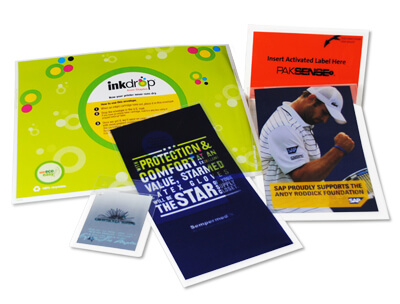 offering a versatile format for food, supplements, cosmetics, and more. These pouches are typically made from compostable laminates certified to ASTM D6400 or EN 13432 standards, ensuring they break down in industrial composting conditions. Brands switching to biodegradable pouch packaging must communicate proper disposal instructions clearly on the label. EnvyPak’s pouch options combine certified compostable materials with custom print capabilities, helping your packaging tell a compelling and credible sustainability story.
Sustainable Packaging Companies: How EnvyPak Leads the Way
Among sustainable packaging companies, EnvyPak stands out for combining quality
ty, customization, and environmental accountability. We source recycled materials for packaging, offer certified compostable options, and guide to help brands select the right solution for their product and values. Whether you need eco-friendly packaging examples to inspire your next design or need a full-scale recyclable packaging supplier relationship, EnvyPak delivers. Our team works closely with brands of all sizes to align packaging strategy with sustainability commitments.
Recyclable Packaging Suppliers: What to Look for When Choosing a Partner
When evaluating recyclable packaging suppliers, look for certifications like How2Recycle, FSC, and SFI, which validate environmental claims. Reliable suppliers should offer transparency about their supply chain, material sourcing, and recycled content percentages. EnvyPak partners with certified mills and manufacturers to ensure that every recycled packaging solution meets both environmental and performance standards. A trusted supplier should also provide guidance on communicating recycling instructions to consumers, a critical step in ensuring that recyclable packaging actually gets recycled.
Making the Right Packaging Choice for Your Brand
Understanding recyclable vs biodegradable packaging – what’s the real difference –
is essential for brands committed to genuine sustainability. Recyclable options work
best where collection infrastructure exists, and material recovery is the goal, while
biodegradable and compostable options suit applications where composting is viable.
Both play important roles in a comprehensive sustainable packaging strategy. En
vyPak offers the expertise, product range, and wholesale options to help your brand
make an impact, one package at a time. The real difference starts with the choices
you make today around recyclable vs biodegradable packaging – what’s the real dif
ference for your business?
About EnvyPak:
Manufacture of clear envelopes and Mailers offering unmatched exposure and quality. EnvyPak products share an engaging, interactive quality that achieves the maximum possible impact for various marketing applications. EnvyPak mailers are USPS-approved, 100% recyclable, designed to be fully compatible with automation equipment, and available in various custom shapes and sizes. Made in the USA. Request Samples
Contact EnvyPak at 16701 Square Drive, Marysville, OH 43040 Email: co*****@*****ak.com; or phone 937.645.4600.